
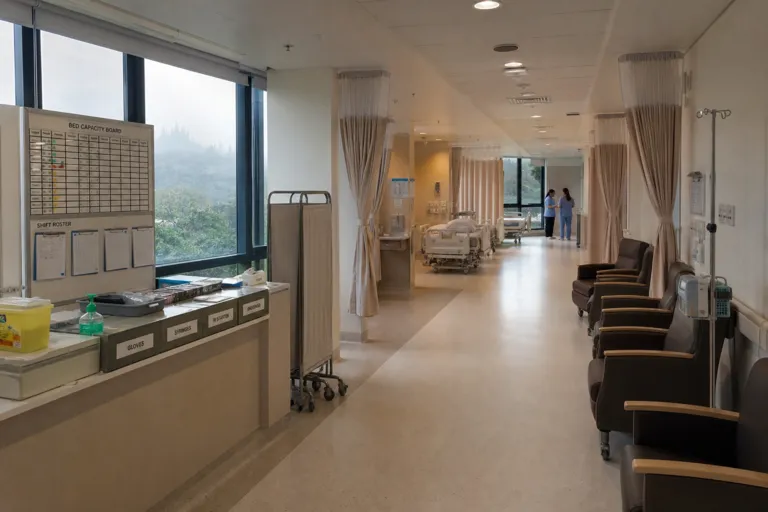
Woodlands Hospice began operations on July 1, 2026 with 16 beds, bringing dedicated inpatient end-of-life care to patients in northern Singapore. The hospice sits within the Woodlands Hospital (WH) campus and is designed for patients who are too sick to stay at home, while still allowing access to tests, investigations, specialist consultations, and hospital services when needed. Health Minister Ong Ye Kung said the development is significant because, while there are end-of-life providers active across the island, the north previously did not have a dedicated provider. He also noted that increased financial support from the Government has allowed the palliative care sector to expand capacity over the years.
The next phase is already mapped out. Multiple reports state there are plans to progressively increase capacity to up to 70 beds, in tandem with growing demand for palliative and end-of-life care services. This expansion would make Woodlands Hospice one of the largest inpatient hospice facilities in Singapore, according to The Straits Times. The site also aims to wrap support around patients and families through therapy programmes and spaces such as family lounges, alongside specialised care delivered in a calmer environment. Taken together, the opening-and-expansion plan frames the practical meaning behind the Singapore palliative care Woodlands Hospice 2026 story: capacity is being built where access was previously thinner, and it is being built to scale.
A Public Hospital-Charity Model Built for Continuity
Woodlands Hospice is a first-of-its-kind collaboration that brings together a public hospital, an experienced charity healthcare provider, and a community partner in one integrated hospice care model. Woodlands Hospital provides overall clinical governance, specialist palliative care expertise, and access to acute hospital resources, while Ren Ci Hospital operates the hospice and draws on a multidisciplinary care team approach. Operational integration is also supported by the fact that Woodlands Hospice and Woodlands Hospital run on the same electronic medical record system, enabling more seamless transfers and helping support continuity across the care journey while reducing potential hospital re-admissions.
Community support is part of the model’s backbone. Cheng Hong Welfare Service Society (CHWSS) pledged $6 million over six years and will work with Woodlands Hospital and Ren Ci Hospital on befriending, caregiver assistance, community outreach, and other holistic care initiatives. Healthcare Asia Magazine also reported that the hospice is expected to serve more than 2,900 patients over six years. Within the facility, patient and family experience is reinforced through an activity area, sensory room, family lounge, and personalised spaces, complemented by programmes such as music therapy, art therapy, spiritual care, celebrations, and volunteer-led activities.
Woodlands Hospice is also part of a wider demand story that extends beyond Singapore. Fortune Business Insights reported that the dedicated hospice facilities segment is anticipated to grow at a CAGR of 8.1% over its forecast period, while Straits Research projected the global palliative care market would grow from USD 172.35 billion in 2026 to USD 325.66 billion by 2034, at a CAGR of 8.28%. These are global figures, but they add context to why new capacity matters locally. In Singapore, CNA described the hospice’s integrated approach—acute hospital resources, hospice expertise, and family support services under one roof—as a way to meet growing demand for palliative care services for an ageing population.
When did Woodlands Hospice open, and how many beds does it have now?
How many beds are planned for the Woodlands Hospice expansion?
Who runs Woodlands Hospice, and what makes the model different?
What funding support was pledged for Woodlands Hospice?
What does the Singapore palliative care Woodlands Hospice 2026 topic highlight about demand and capacity?