
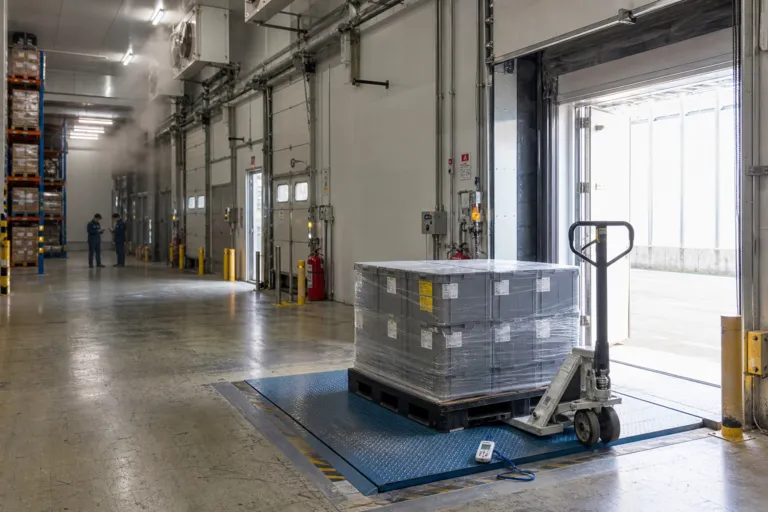
Pharmaceutical and biotech growth is one of the clearest catalysts behind Singapore’s cold-chain logistics acceleration. A Singapore market outlook notes that the rapid expansion of pharmaceutical and biotech activity, including major global players such as Pfizer and Sanofi establishing manufacturing hubs, is increasing demand for precise, GMP-compliant cold chain solutions. This is happening alongside Singapore’s role as a transshipment hub, where port and airport infrastructure supports high-value perishable and pharmaceutical cargo moving across Asia-Pacific. In parallel, broader cold-chain demand is still pulled by everyday volumes such as food, but pharma’s requirements are different: validated handling, reliable monitoring, and consistent performance across storage, transport, packaging, and monitoring components.
Market sizing sources point to a sustained runway rather than a short spike. One research summary values the Singapore cold chain logistics market at approximately USD 2,010.0 million, with a projection to breach USD 3,942.30 million by 2035 at a CAGR of 7.40% for 2026–2035. Another write-up similarly describes the market rising from about USD 2.01 billion in 2025 to more than USD 3.94 billion by 2035, again citing 7.40% CAGR from 2026 to 2035. These projections frame why operators are investing in capabilities that matter to healthcare shippers: precision, compliance, and traceability. They also underline why Singapore is described as a primary pharmaceutical distribution hub for APAC in a modernization “super-cycle” driven by engineered factors, not just organic growth.
Pharma Cold Chain Is Raising the Bar on Facilities and Compliance
Pharma-led demand tightens specifications across the region, and Singapore is positioned as a developed hub in an uneven ASEAN landscape. An ASEAN cold-chain analysis highlights that pharma-focused nodes with -80°C capacity and digitized custody are expanding as operators build GDP-ready environments for clinical-trial materials and biologics. The same analysis contrasts regulatory complexity across borders and points to Singapore’s HSA GDP rules, which enforce validated equipment and chain-of-custody for pharmaceutical logistics. Corporate moves reflect that direction: UPS expanded its Singapore cold-chain footprint in June 2025, adding ultra-low freezers and real-time custody tracking for biologics and clinical trials, and the report notes UPS doubled Singapore capacity at that time while adding visibility features aligned to audit requirements and timing constraints.
While pharma is a high-value driver, operators still have to solve structural constraints that affect how quickly premium capacity can be added. One market report describes an oversupply of aging, low-spec cold rooms that are more than 20 years old and that fail to meet SS 668:2020 standards, alongside a chronic shortage of “Prime Logistics Assets” with more than 12m ceiling heights, modern ammonia/CO2 cooling systems, and ASRS integration. Financing and land tenure also shape build decisions. Industrial land is owned by JTC, with many plots on 20 or 30-year leases, and the same source notes that high-spec automated cold stores can be 20-year ROI projects, which becomes difficult if a lease has only 12 years remaining. Energy exposure adds more pressure, since the report warns that for a cold-chain operator, a 20% hike in electricity tariffs can wipe out net profit margin for the year.
The competitive landscape is evolving with pharma requirements layered over domestic food security and last-mile expectations. A market overview describes three tiers: global integrators focused on pharmaceutical companies and multinational corporations, “national champions” with asset-heavy warehouse and transport infrastructure, and “disruptors” active in last-mile and e-commerce fulfillment. Policy also matters. Singapore’s “30 by 30” initiative aims to produce 30% of nutritional needs locally by 2030, increasing the need for advanced cold storage and distribution for perishables, even as pharma demand strengthens requirements for precise handling and regulatory compliance. For companies planning a Singapore cold chain logistics pharma 2026 strategy, the message is clear: growth projections are strong, but winning will depend on meeting GDP expectations, modernizing facilities, and managing constraints in land, labor, and energy.
What is driving Singapore’s cold-chain logistics growth through 2035?
Why does pharmaceutical logistics require more specialized cold-chain capability?
What kinds of upgrades are operators making for pharma-ready cold chain in Singapore?
What infrastructure constraints can slow cold-chain modernization in Singapore?
What should companies focus on for a Singapore cold chain logistics pharma 2026 plan?