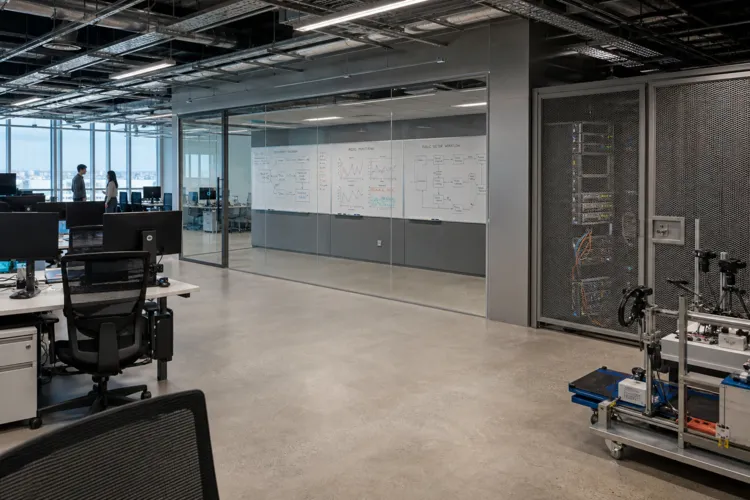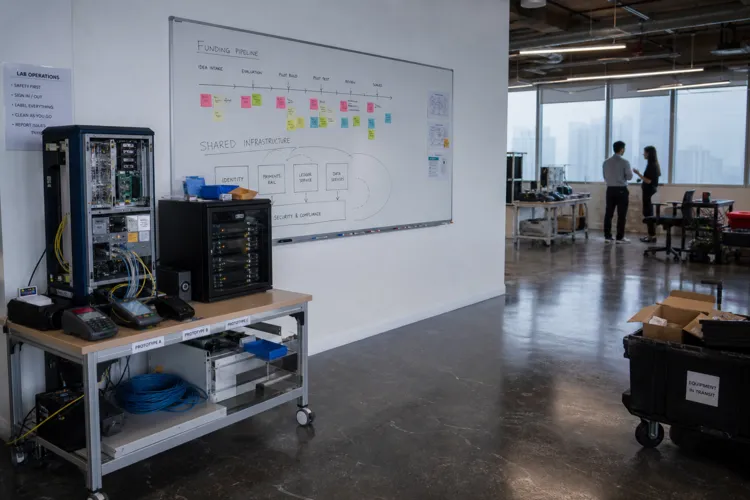

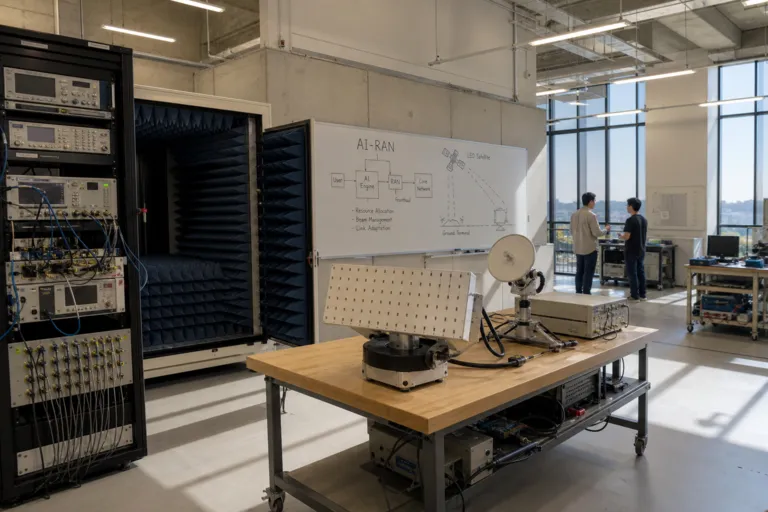
Singapore’s push beyond today’s 5G capabilities is taking a concrete step through a new joint research laboratory between MediaTek and the Singapore University of Technology and Design (SUTD). The initiative is positioned as MediaTek’s first partnership in Singapore and is described as a total investment of S$34 million to accelerate 6G research and prototype development. The lab’s stated technical direction focuses on advancing communications and connectivity through AI-powered, satellite-connected, and greener wireless networks. It also aims to close the gap between theoretical research and industrial application by pairing SUTD’s research expertise with MediaTek’s industrial reach.
The MediaTek-SUTD Joint Laboratory is framed around three major challenge areas: non-terrestrial networks, AI-native radio access, and the drive to make telecommunications infrastructure more sustainable. The announcement notes that wireless networks underpin everyday and emerging use cases, from smartphone video calls to autonomous vehicle communications, while also stating that even advanced 5G systems have limits. Against that backdrop, the lab is set up to strengthen foundational research while developing prototypes. In timing terms, the same source points to 6G commercialisation being targeted for around 2030, providing a milestone that helps explain why near-term prototype work matters.
From MoU to Prototypes: What Happens in 2026
This Singapore 6G research program with MediaTek and SUTD in 2026 builds on a collaboration that began in June 2024, when the organisations signed a Memorandum of Understanding on 6G technology research. The joint laboratory is also linked to SUTD’s role in developing Singapore’s 6G ecosystem through the Future Communications Research and Development Programme (FCP). That programme is described as a national strategy launched in 2021 by the Infocomm Media Development Authority of Singapore (IMDA) and the National Research Foundation, Singapore (NRF), to advance the nation’s communications and connectivity infrastructure, and it is hosted and led by SUTD.
The timeline is explicit. Work under the MediaTek-SUTD Joint Laboratory will commence in April 2026, and research projects are expected to run over the next three to five years. The partnership is presented as a way to translate research into industrial application in a period when 6G commercialisation is targeted for around 2030. While the lab announcement focuses on Singapore, global market estimates underscore why the 6G space attracts attention. One market source values the global 6G market at USD 8.30 billion in 2025 and predicts USD 10.30 billion by 2026, while another estimates USD 0.59 billion in 2025 and USD 1.01 billion in 2026, showing wide variation across forecasts.
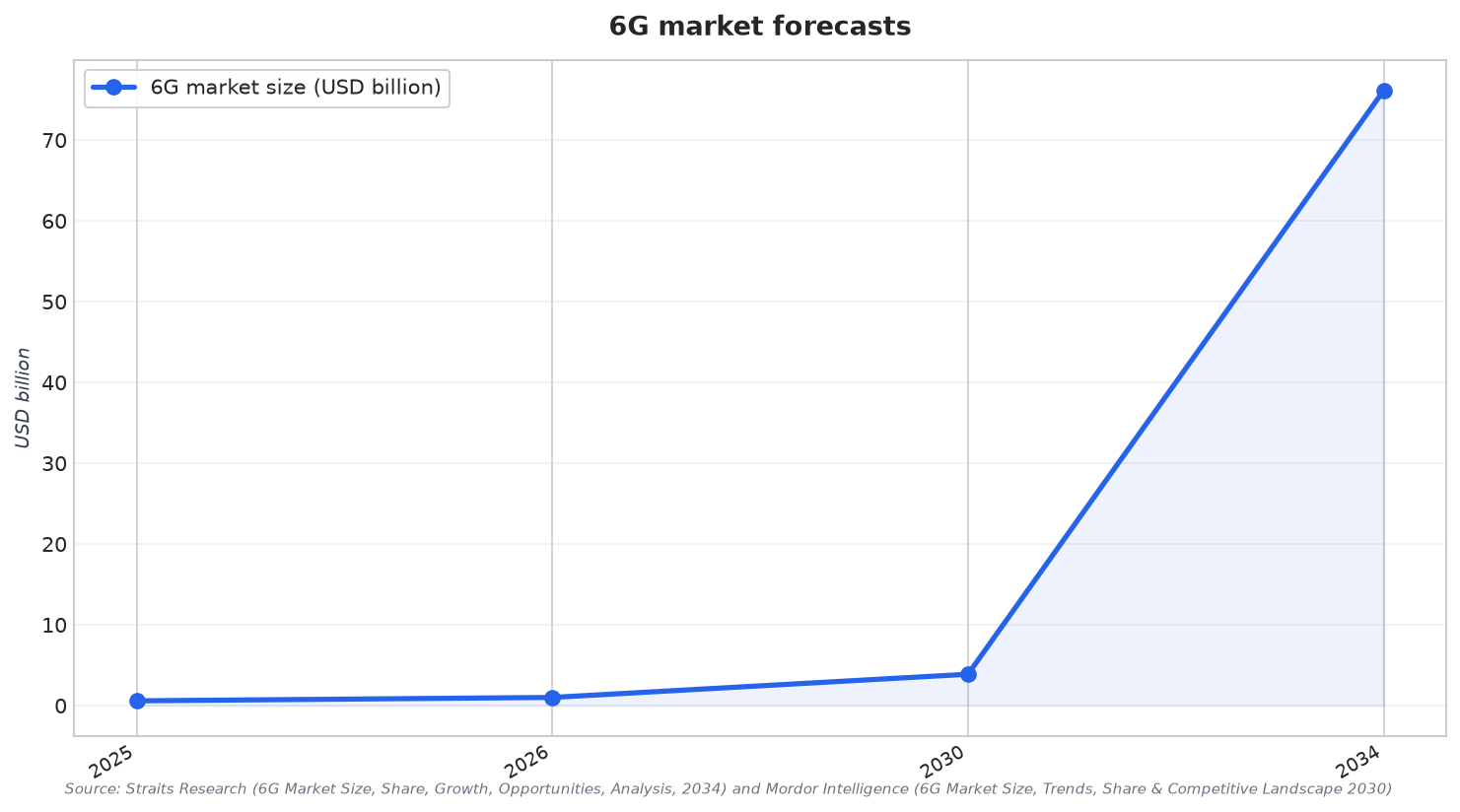
Other datasets provide additional context around what “next-generation networks” could demand and why labs are forming now. One report states that terahertz bands in the 100 GHz–3 THz range are being discussed for next-generation communication systems, while also noting that the frequency bands used to operate 6G have not yet been decided. Another market overview cites global alignment around the ITU’s IMT-2030 framework and notes approximately 6 billion people online in 2025 as a demand backdrop. For Singapore’s MediaTek-SUTD lab, the stated outcome is more direct: accelerate research and prototype development toward AI-native, satellite-connected, and greener wireless networks.
How much is being invested in the MediaTek-SUTD 6G joint laboratory in Singapore?
When does the MediaTek-SUTD 6G lab begin work, and how long will projects run?
What research areas will the MediaTek-SUTD 6G lab focus on?
How does the Singapore 6G research collaboration between MediaTek and SUTD connect to national efforts?
What do market sources say about the global 6G market size around 2025–2026?