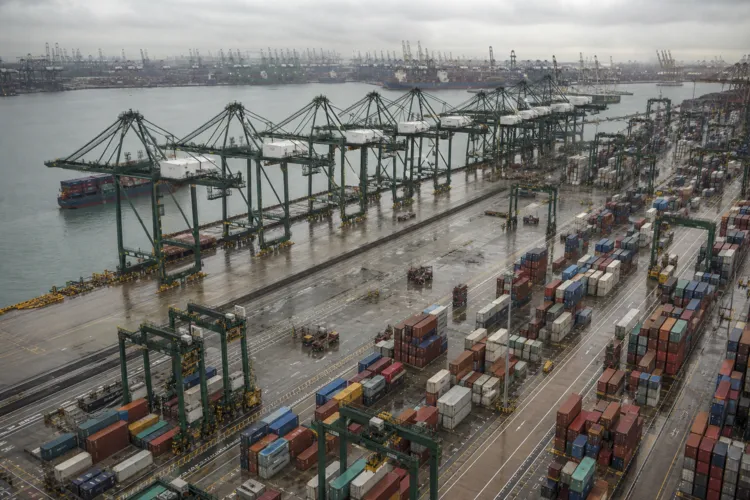

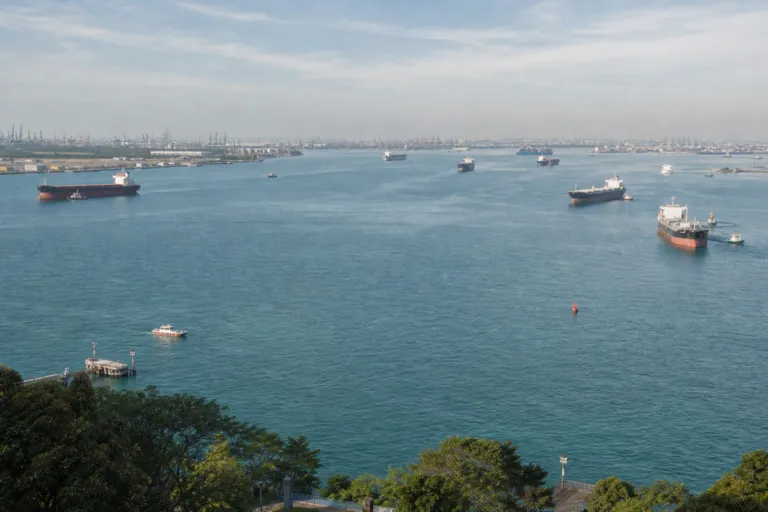
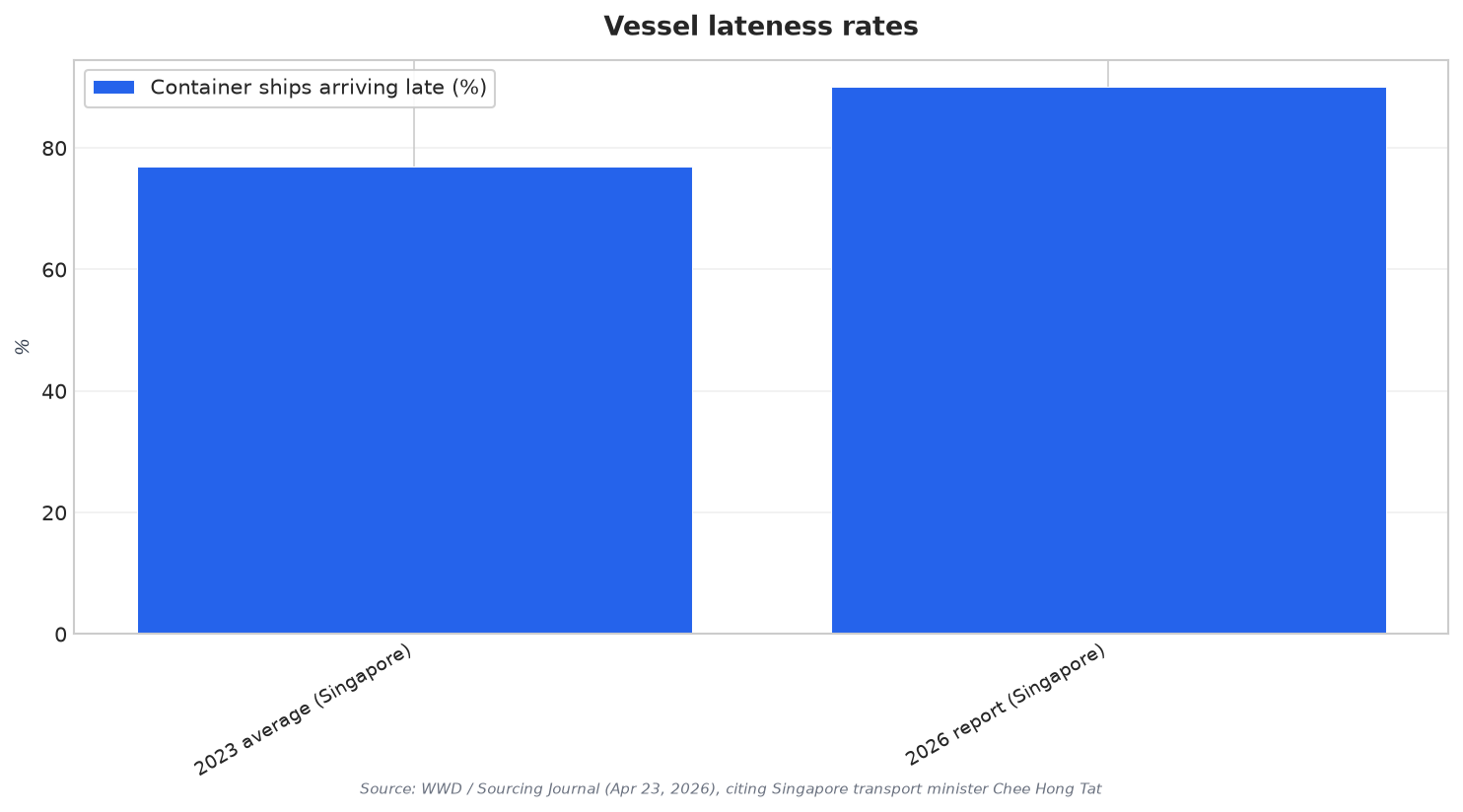
Singapore’s congestion story in 2026 is rooted in one simple operational reality: too many off-schedule ships arriving too close together. Singapore’s transport minister Chee Hong Tat told parliament that 90% of container ships were arriving later than scheduled, up from an average of 77% of vessels late in 2023. Chee described a “vessel-bunching” effect, where arrivals cluster into a short window and raise both the demand for container handling and the complexity of executing it. In April reporting, the Red Sea crisis was cited as a compounding factor, with attacks in the waterway forcing carriers moving between Asia and Europe to reroute around southern Africa, stretching transit times and disrupting network rhythm.
Those schedule shocks translated into real waiting time. Hapag-Lloyd indicated that waiting times in Singapore were varying between 50 and 80 hours. For comparison in the same update, the wait at Port Kelang in Malaysia was cited at 60 to 120 hours, while Shanghai berth waiting times varied between 48 and 72 hours depending on the terminal, and Ningbo’s range was described as no waiting time up to 48-hour delays. Singapore’s role as the world’s largest transshipment hub adds a structural reason congestion propagates quickly: ships often call to unload boxes for onward connections, then load additional cargo for their next destination. That concentration effect can amplify delays when vessel flows become irregular.
Why September 2026 Felt Bigger Than a Single-Port Problem
By early September, trade reporting described delays as widespread across Asia’s busiest container ports, stating that over 50% of vessels were delayed at those major hubs. Maritime Fairtrade linked the congestion to larger-than-usual container volumes and seasonal demand peaks, arguing that terminal undercapacity during spikes can extend berth waiting times. The same source listed Shanghai, Singapore, and Busan among major hubs most affected. Separate reliability data from Sea-Intelligence, cited in Seatrade Maritime News, showed how quickly performance can deteriorate at a peer port: Ningbo’s reliability fell by 20.1 percentage points to 34.6% in July, after it became the world’s second largest container port in the first half of 2026.
In Singapore itself, shipment disruption also appeared in platform-based indicators. FourKites data cited in April reporting said delayed shipments jumped 44% in May from a year earlier, and were up 27% year-over-year through June 25. That same snapshot emphasized how abnormal peak conditions became: May was described as the peak for incoming boat congestion, when ships had to wait for as long as a week to berth, compared with half a day in normal periods. Yet the system also showed mixed signals. Outbound and transshipped containers were still reported with a dwelling time of just under 10 days, based on EconDB data, which also indicated 248 vessels expected to arrive in the next seven days.
For shippers trying to navigate Singapore port congestion and vessel delays in 2026, the sources point to two practical takeaways. First, carriers may change routing behavior when queues rise; one analyst said the pileup eased “but only because vessels are omitting calls at the port,” with backlogs likely to take at least one more month to be resolved. Second, the economic importance of the hub raises the stakes. The Port of Singapore handled 39 million TEUs in 2023, and Mordor Intelligence estimated the maritime sector in Singapore at USD 15.41 billion in 2026 (up from USD 14.78 billion in 2025), highlighting how operational congestion can ripple into a large, interconnected services ecosystem.
What did Singapore’s transport minister say about late-arriving ships in 2026?
How long were vessels waiting in Singapore during the congestion period?
What do the sources say about delayed shipments linked to Singapore’s congestion?
How does September reporting frame Singapore port congestion vessel delays 2026 in a wider context?
Why can congestion at Singapore spread through supply chains so quickly?