
Singapore’s transport conversation at MOT’s Committee of Supply (COS) 2026 is framed as a shift toward a more people-centric, future-ready land transport system. In his COS 2026 speech, Minister of State for Transport Mr Baey Yam Keng said Singaporeans will play an integral role in shaping “the next bound” of the transport system. Since outreach for the refresh of the Land Transport Master Plan (LTMP) began late last year, three themes emerged as the top public priorities: connectivity, comfort, and community. Together, these themes point to practical changes in how trips are made and how streets are designed in a dense urban city-state.
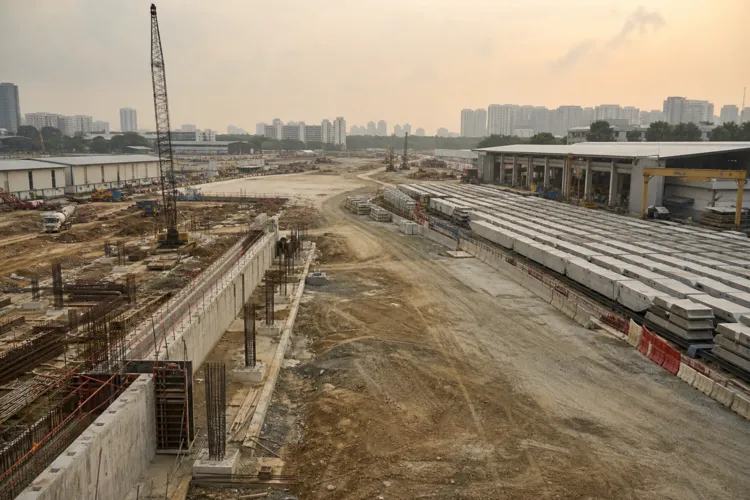
Priority one is connectivity, which is not only about getting from point A to point B, but also about how the overall network supports different users and travel choices. The North South Corridor was highlighted as an example of how design can rebalance space in Singapore. With more traffic diverted into its underground tunnel and viaduct, surface streets can be freed up to prioritise walking, cycling, and buses, while also creating room for communal and green spaces. That is a connectivity story that links movement with liveability, by changing what streets are used for and who they serve.
Seven COS 2026 Priorities That Could Change Daily Travel
Looking across what MOT emphasised, seven practical priorities stand out. (1) Put people first in land transport planning, with Singaporeans actively shaping outcomes through the LTMP refresh outreach. (2) Strengthen connectivity as a system goal, using projects such as the North South Corridor to redirect traffic and unlock better surface mobility. (3) Improve comfort on public transport for a broader range of riders, including wheelchair and mobility aid users and parents with young children. (4) Make boarding and onboard spaces work better in real life, not just on paper, by adjusting operating practices where needed. (5) Improve accessibility and inclusion by recognising that different riders have different constraints and need predictable support. (6) Build community into transport decisions by freeing street space for communal areas and greenery, not only for vehicle throughput. (7) Keep the transport system future-ready by aligning infrastructure and service design with evolving needs raised by residents during the LTMP refresh.
One near-term comfort and inclusion move is already described with a start date. From April 2026, on around 10 selected bus services serving routes with more wheelchair or mobility aid users and parents with young children, bus captains will facilitate the use of bays by wheelchairs and open strollers on a first-come-first-serve basis. This is a small operational detail, but it signals how COS 2026 thinking can translate into everyday experience: clearer facilitation, better use of limited onboard space, and a more predictable ride for those who need it most. These kinds of changes can matter as much as new infrastructure in shaping trust in public transport.
For readers tracking Singapore MOT Committee of Supply 2026 transport priorities, it also helps to see transport within a wider COS 2026 landscape that stresses resilience and long-term readiness. For example, at MSE’s COS 2026 debate, Singapore’s vulnerability to disruptions was stated plainly: Singapore imports more than 90% of its food, making it exposed to external shocks and supply chain disruptions from climate change, disease outbreaks, and geopolitical developments. That same context of resilience and adaptation underlines why land transport priorities like community spaces, walkability, and practical accessibility improvements are not “nice-to-haves.” They can be part of how Singapore keeps daily life moving smoothly in a changing operating environment.
What were the top public priorities raised for MOT’s LTMP refresh in COS 2026?
What change starts from April 2026 on selected bus services?
How does the North South Corridor relate to MOT’s COS 2026 priorities?
How do Singapore MOT Committee of Supply 2026 transport priorities connect to the idea of resilience mentioned in other COS 2026 debates?