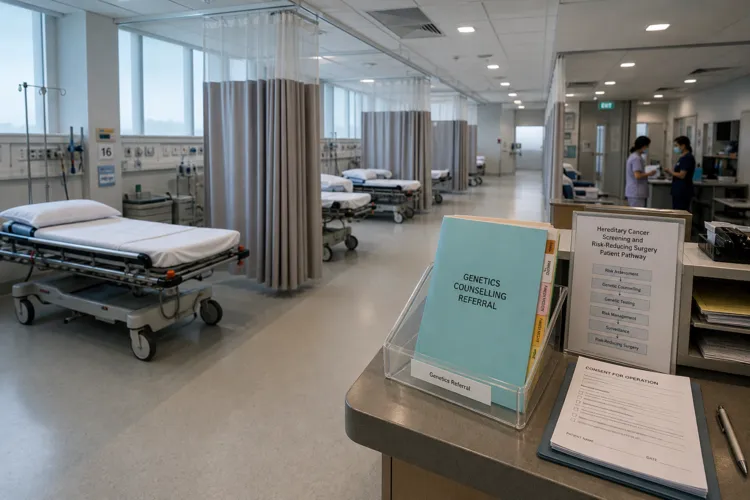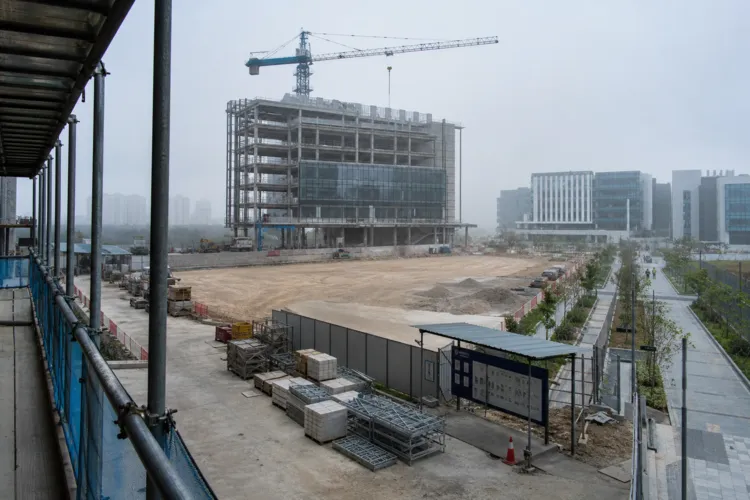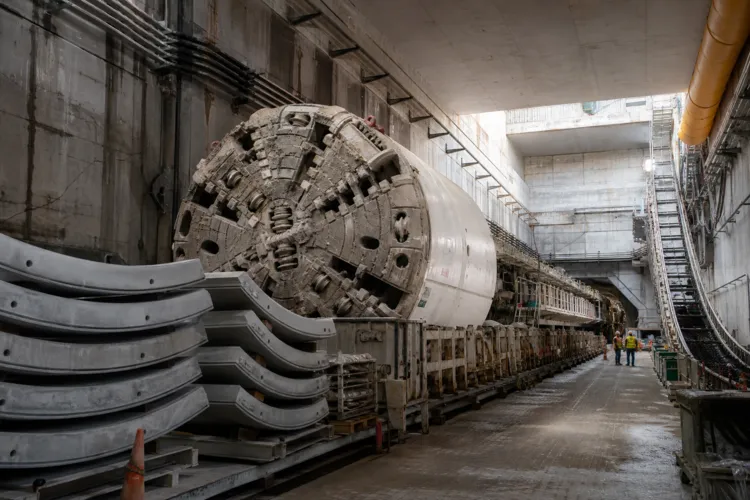

Singapore’s next phase of port-led logistics is taking shape in the west, where PSA is developing the PSA Supply Chain Hub @ Tuas (PSCH) beside Tuas Port inside the Free Trade Zone. On 18 October 2024, Prime Minister Lawrence Wong attended the groundbreaking ceremony to formally launch the project, and PSA has said the hub is scheduled to become operational in 2027. The intent is clear: move beyond treating the port only as a transfer point and instead bring more supply chain activity into a single ecosystem that links terminal operations with warehousing, distribution, and cargo services.
The design brief reflects a practical need in modern cargo flows. Not every shipper moves a full container for every shipment, so consolidation before export and deconsolidation after arrival matter. The Prime Minister’s Office notes that Keppel Distripark currently specialises in consolidation, deconsolidation, and distribution, but it will close by 2027 as part of the shift to Tuas. PSA has also said Keppel Distripark activities will be consolidated at Tuas Port by 2027. PSCH is positioned as the facility that expands these capabilities while adding new technologies and services to support a wider range of cargo management requirements.
Automation and Port-Adjacency: Why Tuas Is the Anchor
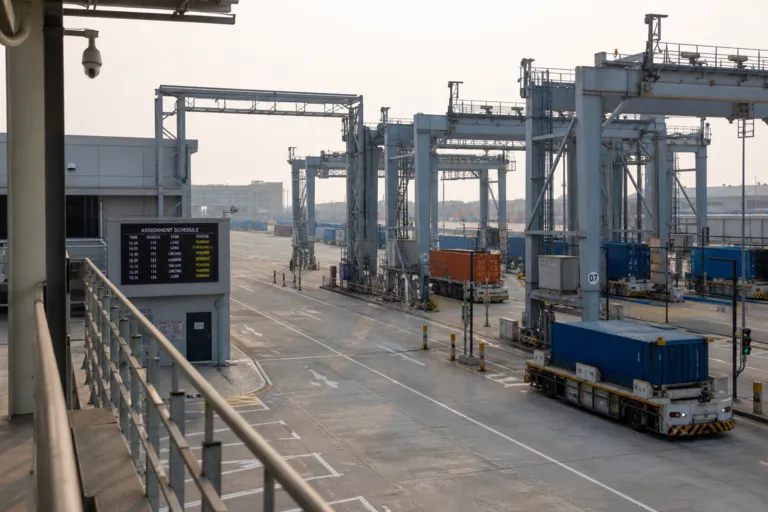
PSA’s automation roadmap at Tuas provides the operating context for the hub. By the end of 2025, PSA Singapore operated 12 container berths at Tuas Port, and it reported 14 operational berths in August 2026. The Straits Times and The Business Times also reported that Tuas Port has processed 25 million TEUs since operations commenced in September 2022, and PSA plans to expand from 14 to 18 berths by 2027. This focus on scaling automated capacity supports a broader push for closer integration across “ports and supply chain nodes,” with PSA describing Tuas as central to its “Node to Network” strategy.
PSCH is planned to occupy well over 2 million square feet and is designed to serve as both a regional distribution centre and a container freight station. Business Times describes it as offering value-added services and creating new synergies between terminal and logistics operations so customers can move cargo more seamlessly and respond to changing needs. Commonwealth Union adds that PSA plans to use technologies including Automated Storage and Retrieval Systems and its Intelligent Warehouse eXchange platform. Together, those elements frame the PSA Supply Chain Hub Tuas construction 2027 timeline as more than a real-estate build: it is part of a port-adjacent operating model meant to reduce the need to move goods between widely separated facilities.
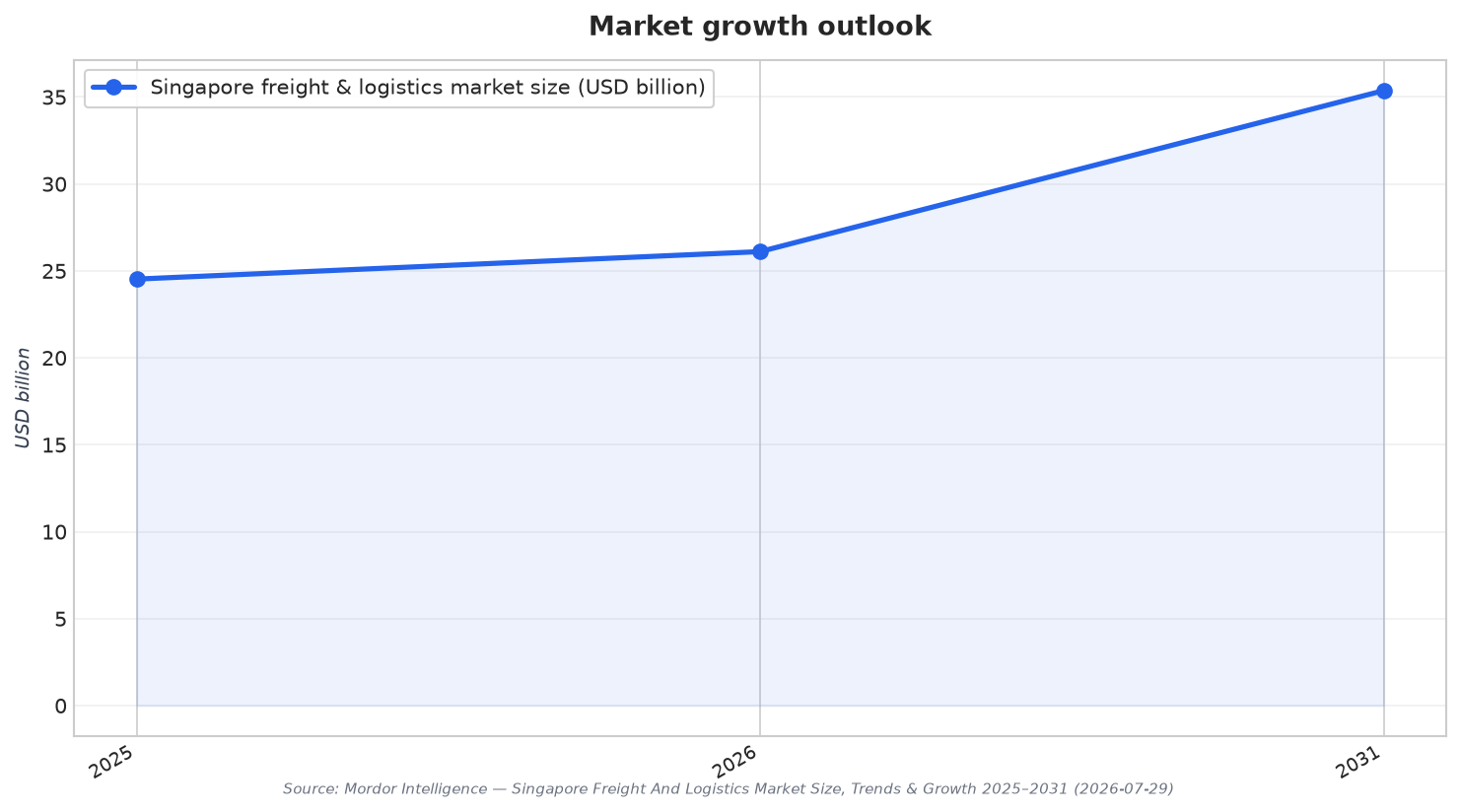
The hub is also being built amid a freight and maritime market that is already operating at large volumes and facing structural constraints. Mordor Intelligence projects the Singapore freight and logistics market at USD 24.53 billion in 2025, USD 26.11 billion in 2026, and USD 35.37 billion by 2031, growing at a 6.26% CAGR from 2026 to 2031, while noting that rising labor costs and land scarcity encourage automation and off-site consolidation. It also reports container throughput expanded to 39.47 million TEU in 2024. In parallel, Mordor’s maritime report values Singapore’s maritime market at USD 15.41 billion in 2026 and says port and terminal operations held 40.75% share that year—context for why integrated, automated logistics capacity at Tuas is being treated as strategically consequential.
When is the PSA Supply Chain Hub @ Tuas expected to be operational?
How large is the PSA Supply Chain Hub @ Tuas planned to be?
What does PSA plan to do with Keppel Distripark as Tuas develops?
What progress has Tuas Port reported ahead of 2027?
What is the focus of PSA’s Supply Chain Hub Tuas construction toward 2027?