
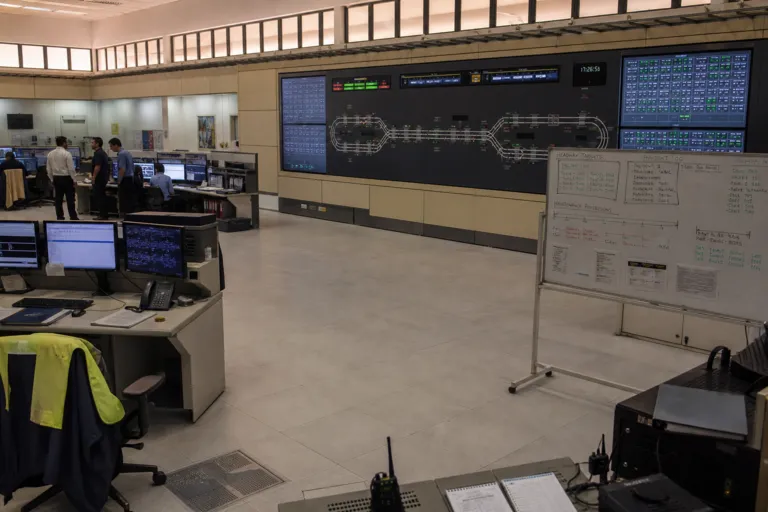
Singapore’s Circle Line (CCL) is a medium-capacity, fully underground MRT line that runs as a closed loop mostly within the Central Region, with a branch from Dhoby Ghaut to Promenade. It is approximately 39.5 km long with 33 stations, and a full loop takes about 75 minutes. The line is also completely automated and driverless. In 2026, the network shift is practical and commuter-focused: CCL6 opens with stations at Keppel, Cantonment, and Prince Edward Road, connecting HarbourFront to Marina Bay and completing the circle.
Capacity is being lifted with new rolling stock and supporting infrastructure. The Land Transport Authority (LTA) said 23 new Circle Line trains were purchased to cater for the expected increase in passenger volume with the start of CCL6 operations. The first batch reached Singapore in March 2022, and these trains have been progressively put into service from April 2026. LTA also stated that Kim Chuan Depot has been expanded to almost double its capacity, from 70 to 133 trains. On the line itself, each CCL train is 70 m long, weighs around 118 tonnes, and can carry up to 931 passengers at maximum capacity.
Reliability Is Rising as Testing and Upgrades Progress
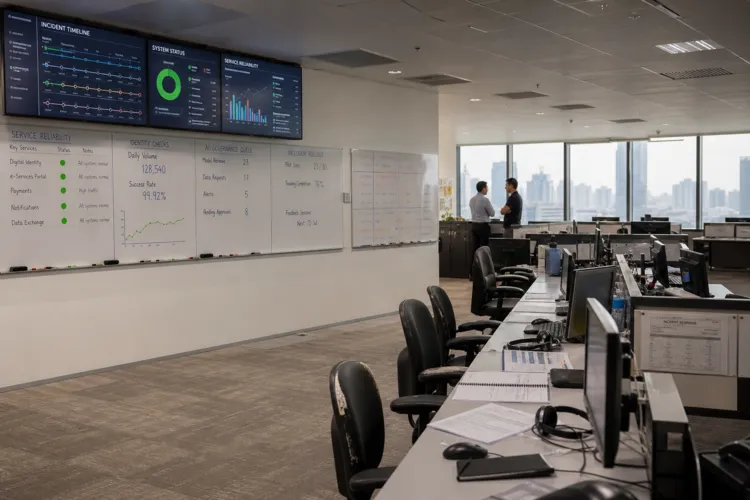
Service quality is being tracked through mean kilometres between failures (MKBF), which measures how far a train travels before encountering a delay of more than five minutes. Between June 2025 and May 2026, MRT trains averaged 2.35 million train-km between such delays, exceeding the two million train-km mark for a second month in a row and above the network target of one million train-km. In May, the SMRT-operated CCL improved from 2.36 million train-km to 2.37 million train-km. CNA also reported the overall MRT network’s MKBF reached 2,500,000 train-km in May, up from 2,220,000 train-km in April.
Testing work tied to the 2026 readiness push also had visible, short-term side effects. CNA reported that CCL train punctuality decreased in May due to ongoing system integration testing in preparation for the CCL6 opening, which led to minor perturbations on the existing network, and that both indicators were expected to return to more typical levels after CCL6 opens. At the same time, Singapore’s monthly performance snapshot showed steadier outcomes across the wider rail system: in May, there were no major delays exceeding 30 minutes on the MRT lines, with the last such incident in November 2025.
For travel patterns, a completed loop changes how riders move, especially at busy interchange points. LTA noted that the completed CCL links to all existing train lines and shortens travel time, while giving commuters more alternative routes that bypass the busy interchanges at City Hall and Raffles Place. Travel And Tour World also described the operational benefit of closing the final gap: trains can operate continuously around the city without requiring passengers to transfer at HarbourFront, reducing interchange movements and helping distribute demand more evenly. Together, these changes anchor what many commuters mean when they talk about the Singapore Circle Line new trains signalling upgrade 2026: capacity additions, readiness testing, and a more resilient loop for daily trips.
How many new trains are being added for Circle Line 6 operations in 2026?
How much did Kim Chuan Depot capacity change as part of Circle Line preparations?
What reliability level did the MRT network achieve leading up to CCL6?
Why did Circle Line punctuality dip during the run-up to the 2026 signalling and systems work?
What does the Singapore Circle Line new trains signalling upgrade 2026 change for commuters?