
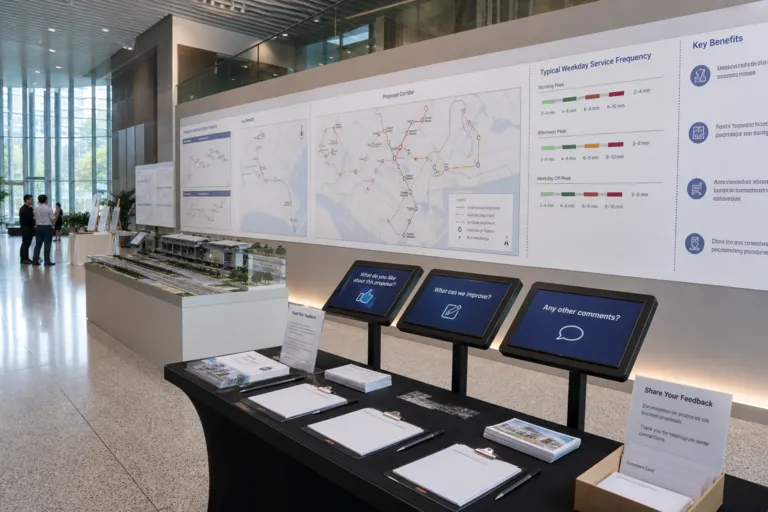
Singapore’s Land Transport Master Plan (LTMP) Refresh is presented by LTA as a process built around listening first, then planning for “years to come.” The agency’s framing is straightforward: journeys may look different across people and places, but those lived experiences should shape what the future system becomes. That is why LTA highlights voices from Singaporeans about their day-to-day transport journeys and invites the public to watch and hear how others envision the future of transport. The public-facing message is also a call to action: share aspirations, join engagement activities, and help co-create the next chapter of the land transport system. In that sense, the Singapore Land Transport Master Plan refresh 2026 is positioned as a conversation, not only a technical exercise.
There is also a practical planning logic behind the conversation. Transport master planning is often described as a long-term, evidence-based approach that aligns how people and goods move with land use and investment decisions. A 2026 masterplan transport strategy guide from the UK emphasizes that trip generation remains central, but should reflect a dynamic picture: changing phases, mixed uses, internal trip capture, public transport enhancements, and policy-led mode shift over time. It argues that planning objectives typically extend beyond traffic capacity to cover sustainable growth, better access to homes, jobs, and services, lower environmental harm, and networks that are safe and resilient. While this guidance is not Singapore-specific, it helps explain why engagement and evidence gathering can sit at the heart of a refresh, before recommendations harden into deliverable plans.
What 2026 Transport Planning Signals From Global Market Shifts
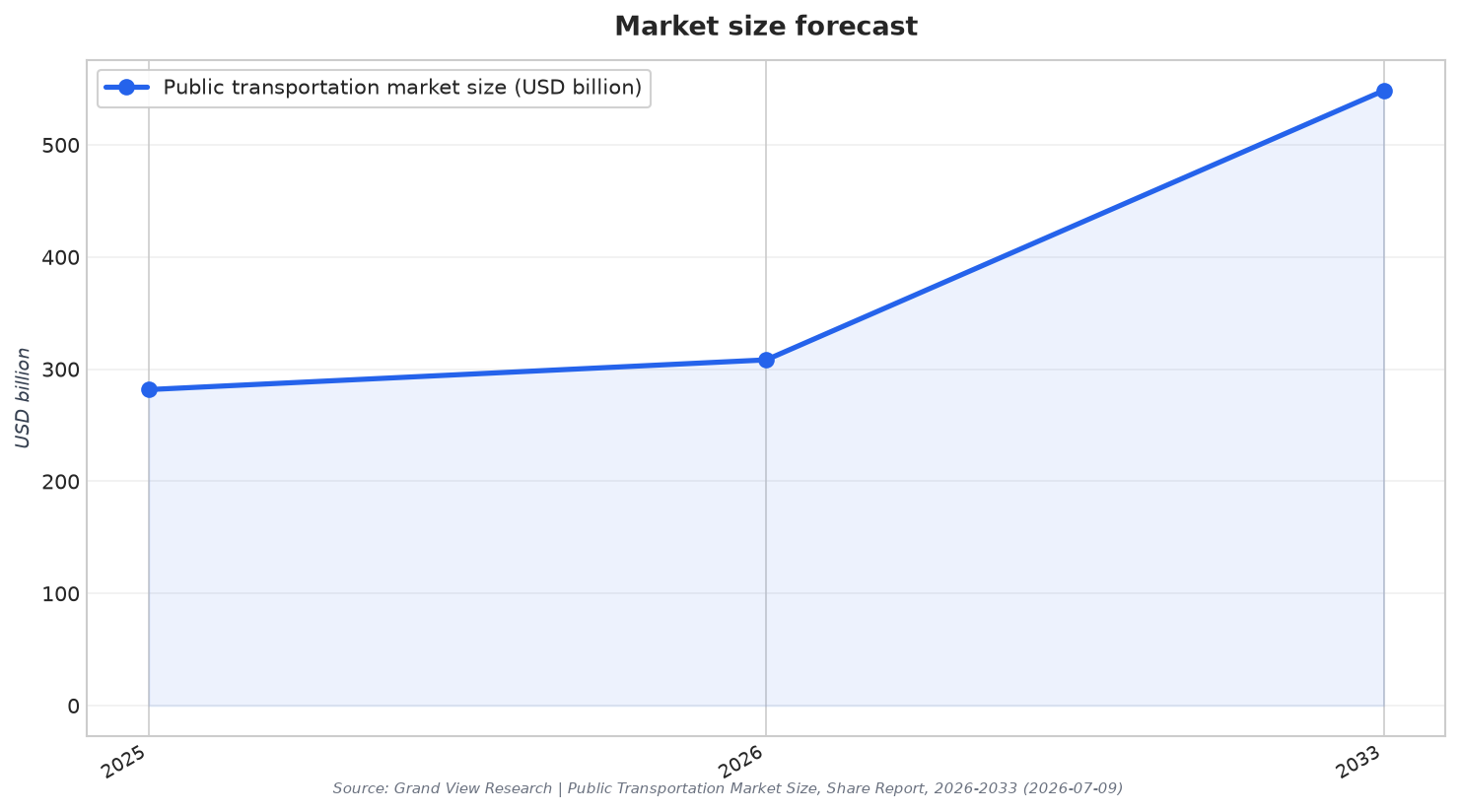
Looking outward can also clarify the stakes and the pace of change that planners may need to anticipate. Grand View Research values the global public transportation market at USD 281.8 billion in 2025 and projects growth from USD 308.3 billion in 2026 to USD 548.4 billion in 2033, at a CAGR of 8.6%. In the same report, the offline channel is expected to hold around 78.0% market share in 2026. Separately, Technavio states that the public transportation market is expected to grow at a CAGR of 6.6% during 2026–2030, and references a May 2025 U.S. Federal Transit Administration request for over fourteen billion dollars in formula grants for fiscal year 2026. These figures are global and U.S.-specific context, not Singapore outcomes, but they show how investment, user experience, and institutional arrangements are being discussed internationally.
Another external signal comes from corporate ground transportation trends in the U.S., where digitalization and managed programs are changing expectations. A 2026 market report notes that 87% of corporate bookings are now made via digital platforms (up from 62% in 2021), and that 94% of professional services offer real-time GPS tracking to passengers. It also reports that 73% of travel managers require API integration between transport providers and travel management platforms, while 61% of providers use AI-powered demand forecasting for fleet deployment. The same source describes fleet electrification demand, stating that 35% of corporate clients request EV options (up from 12% in 2023) and 28% of professional fleets include at least one electric vehicle. Again, these are U.S. corporate market metrics, but they illustrate the kind of service features, reliability expectations, and data integration pressures that can influence how “future-ready” transport systems are discussed.
For Singapore, the core takeaway from LTA’s LTMP Refresh messaging is that public participation is not an afterthought. LTA explicitly invites residents to join engagement activities and to share their aspirations to shape the future land transport system, and it also looks back at past engagement highlights as part of an ongoing journey of conversations and fresh ideas. In other places, community assessment phases are described as the moment when residents surface pain points before recommendations are drafted for the decade ahead, as a town-level plan for Hideout explains. Put together, the throughline is clear: long-horizon transport planning increasingly pairs technical study with structured public input. That combination is the most consistent clue to how Singapore’s 2026 LTMP refresh is being built.
What is Singapore’s Land Transport Master Plan refresh in 2026 trying to do?
How can residents take part in the LTMP Refresh process?
What do global public transport market forecasts show for the planning horizon?
Which service and technology features are rising in corporate ground transport (U.S. context)?