
Singapore’s silver economy is moving from a social issue to a mainstream growth conversation. The shift is visible in demographics. Singapore’s Department of Statistics data, cited by Kadence, shows residents aged 65 and above rose from 9.0% in 2010 to 15.2% in 2020. Looking ahead, projections cited by Kadence and CNA point to a similar headline: by 2030, one in four citizens is expected to be 65 and above. This is the backdrop for the Age Well SG ageing population agenda, and for companies that want to serve older customers with practical, everyday solutions that support independence.
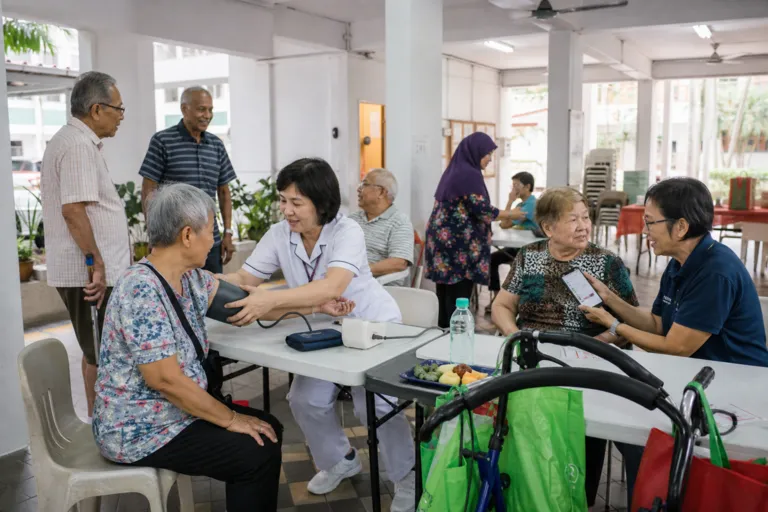
Policy is also shaping the opportunity set. The Straits Times describes Age Well SG as a S$3.5 billion national commitment to help seniors age well in the community, spanning housing options, living environment enhancements, social support and preventive health. For ageing-in-place, that framing matters: it pulls attention beyond hospitals and nursing homes to homes, neighbourhoods, and routines. It also signals that the market is not only about treatment, but also about prevention and quality of life. In parallel, Kadence notes the silver economy in Singapore is projected to reach US$72.4 billion by 2025, and ties that timing to government investment in services and innovations that enhance older adults’ lives.
Where Ageing-in-Place Creates New Business Demand
Ageing-in-place needs products that work with real constraints, not just good intentions. Kadence profiles SilverConnect, a medical nutrition company founded after the founder’s grandmother, living with dementia and swallowing difficulties, was placed on a pureed diet. SilverConnect focuses on specialised, appealing meals for people with swallowing difficulties, aiming to meet food safety and dietary needs without removing enjoyment. This is a clear example of a niche built around daily living. Kadence also points to broader needs among seniors, including healthcare solutions that support independence and chronic-condition management, and growing demand for telemedicine and home care services.
The ageing shift is not only about care needs. It is also about work and consumption. CNA reports Singapore’s total fertility rate fell to a record low of 0.87, raising labour-crunch concerns as the population ages. Experts interviewed by CNA argue there is untapped potential among seniors who are willing and able to continue working, but that employers must address ageism and redesign jobs and workplaces, including flexi-work options and age-friendly use of technology. On the consumer side, CNA cites an Asia-Pacific Silver Economy report suggesting the expanding pool of seniors could bring in more than US$122 billion to Singapore by 2030, with demand extending beyond healthcare into retail, services, and lifestyle offerings.
Regional context reinforces why businesses are paying attention, while highlighting that market figures vary by source and scope. CNA’s youth-and-eldercare feature cites Ageing Asia (2020), forecasting the Asia-Pacific silver economy at S$6.2 trillion (US$4.6 trillion) by the end of 2025, with a projected 7% compound annual growth rate up to 2032. The Straits Times separately states that across Asia-Pacific, the silver economy is projected to be worth US$4.6 trillion by 2030. The practical takeaway for Singapore is less about a single number and more about readiness: niche design, better research into older consumers, and services that make ageing-in-place easier, safer, and more dignified.
What does Age Well SG aim to do for ageing in the community?
How has Singapore’s share of residents aged 65 and above changed?
How does the Age Well SG ageing population agenda connect to business opportunities?
What does CNA report about seniors and the labour crunch in Singapore?