
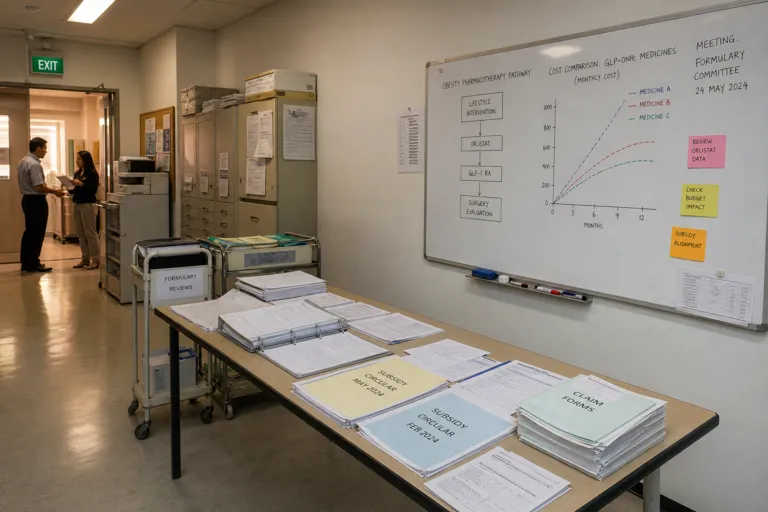
Budget 2026 talk about subsidising diabetes and obesity medicines sits in a real-world gap: in Singapore, weight-loss medications are commonly treated as out-of-pocket purchases. A 2026 Singapore cost guide on GLP-1 options states that MediSave is not currently approved for weight loss, and that MediShield Life does not cover weight-loss medications. The same guide says most insurers generally do not cover weight-loss medication, often classifying it as cosmetic or lifestyle, though some may cover related consultations if they are coded under diabetes or metabolic syndrome management. Another Singapore explainer also warns that if you are prescribed weight-management medications or injections, you may not be able to get them at a subsidised rate. That is the practical backdrop for any “subsidy” shift people are watching.
The health pressure is not abstract. A Singapore clinic guide, citing the Ministry of Health’s National Population Health Survey 2022, says 36.2% of Singaporeans aged 18 to 74 are overweight, and that obesity rates have been climbing steadily. A local insurance-focused article adds that Singapore has one of the highest diabetes prevalence rates among developed nations, and frames obesity as a chronic condition that needs long-term planning, not a short-term appearance fix. It also outlines how costs can accumulate gradually through consultations, blood tests, medication refills, specialist reviews, and periodic diagnostic scans. It notes severe downstream events can include hospital admissions for uncontrolled diabetes and procedures such as angioplasty or bypass surgery for heart disease linked to obesity.
Why GLP-1 Demand and Pricing Matter in 2026
Any Singapore obesity and diabetes drug subsidy in 2026 would land amid fast-moving global GLP-1 momentum. Managed Healthcare Executive reported that GLP-1 therapies generated approximately $132 billion in sales in 2025, a 33.5% increase from 2024. The same report said weight-loss indication sales increased by 131% on a five-year compounded annual growth rate basis, and described obesity therapeutics as about $42 billion with a 4.6% share, alongside a pipeline of about 190 obesity-related products. These are global market signals, but they shape what patients feel locally: the Singapore pricing guide describes GLP-1 weight-loss treatment as a “significant financial commitment” and urges patients to budget beyond medication for consultations and monitoring, while noting prices vary by provider, dispensing channel, and supply availability.
In Singapore, multinational manufacturers are also positioning the country as a testing ground for new approaches. The Straits Times reported that the Danish pharmaceutical company best known for Ozempic and Wegovy sees Singapore as a platform to pilot treatments for diabetes and obesity, and to ramp up delivery via telemedicine as digital health becomes more widespread. The same article said Asia-Pacific had the highest growth in the company’s international operations in 2025 at 25%, with sales of its GLP-1 receptor agonist drugs up 10%, while obesity care sales grew 122%. It also noted increased competition in the weight-loss pharmaceutical space, including from US firm Eli Lilly. If Budget 2026 expands subsidy pathways, Singapore’s combination of clinical care, research, and digital delivery could amplify the impact on access.
Even without new subsidies, cost management is already part of the patient journey. The Singapore cost guide suggests approaches such as adjusting dose under medical supervision and considering subscription pricing offered by some providers to make monthly costs more predictable. It also notes that as patents expire over coming years, generic versions are expected to become available at significantly lower prices, although timelines vary by medication and market. J.P. Morgan’s 2026 analysis adds that the GLP-1 market is expected to grow significantly in 2026, citing reduced prices, seniors getting access to obesity drugs, and the approval of oral GLP-1s, while also stating that global penetration remains low, with roughly 7% of diabetes patients and 2% of the obese population currently using these medications. Against that context, Budget 2026 decisions on what is subsidised, and under what clinical criteria, could materially change who gets access and how consistently they can stay on treatment.
What is the policy gap Budget 2026 may address for obesity drugs in Singapore?
What does Singapore data say about overweight rates linked to obesity management needs?
How big is the GLP-1 market growth story that frames a Singapore obesity and diabetes drug subsidy in 2026?
Why is Singapore seen as a platform for diabetes and obesity treatment innovation?
How can patients think about affordability if subsidies do not expand in 2026?